

Seller Guide Checklist: Need to Sell Before You Move?
Seller Guide Checklist: Need to Sell Before You Move?
Use this checklist to stay organized, reduce stress, and move forward with confidence while preparing your home for sale.
Selling a home before a relocation can feel like two major projects happening at once. The key is to break the process into manageable steps so you can stay focused, protect your timeline, and make confident decisions from listing through closing.
For Florida homeowners, preparation matters even more when a move is already on the calendar. A clear plan helps you reduce last-minute surprises, keep your sale on track, and make the transition to your next home smoother.
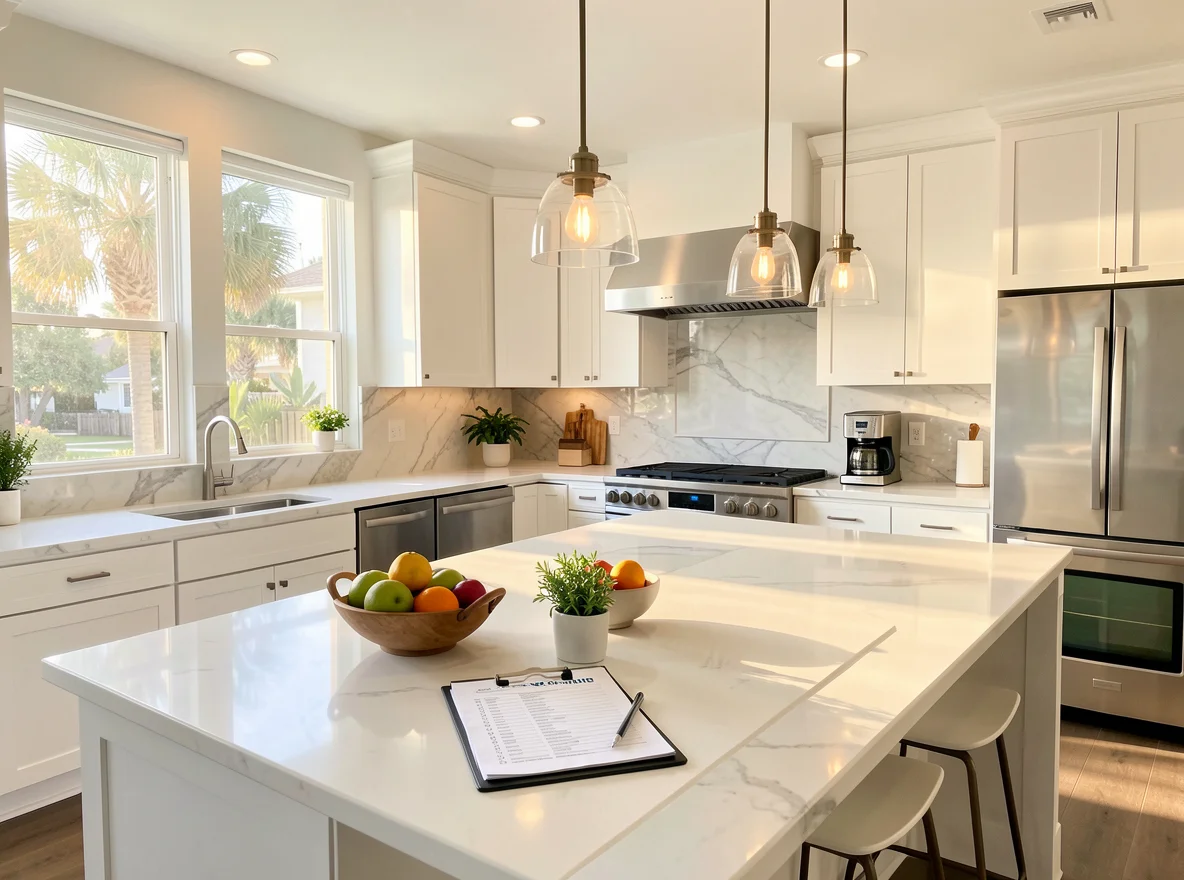
1. Clarify Your Timeline
Before anything else, decide when you need to move. Your relocation date will shape every other decision, from when to start repairs to how aggressively you price the home.
Work backward from your target move date. Give yourself enough room for repairs, listing preparation, showings, inspections, negotiations, and closing. If your schedule is tight, building in extra time early can help absorb delays later.
- Decide when you need to move.
- Work backward from your target move date.
- Build in time for repairs, listing, showings, inspections, and closing.
- Confirm whether you need to sell before you buy your next home.
This is also the time to confirm whether you need to sell before buying your next home. That answer affects your financing options, your risk tolerance, and how much flexibility you may need during negotiations.
2. Get Your Home Ready
Once your timeline is clear, shift your attention to presentation. Buyers notice condition quickly, and a home that feels clean, maintained, and move-in ready often creates stronger first impressions.
- Declutter each room and remove personal items.
- Deep clean the entire house.
- Complete small repairs, such as leaky faucets, chipped paint, broken fixtures, and loose handles.
- Boost curb appeal with fresh landscaping, a clean entryway, and a tidy exterior.
- Consider a pre-listing inspection to catch issues early.
Decluttering helps rooms feel larger and easier for buyers to picture as their own. Deep cleaning adds to that effect, while small repairs show that the home has been cared for. Outside, curb appeal matters just as much. Fresh landscaping, a neat entry, and a tidy exterior can set the tone before a buyer even walks in.
A pre-listing inspection may also be worth considering. Catching issues early can give you more control over repairs and reduce the chance of stressful surprises once you are under contract.

3. Gather Important Documents
Good organization saves time once your home hits the market. Start collecting the documents buyers, title professionals, and your agent may need during the transaction.
- Property tax records.
- HOA documents, rules, and fees.
- Utility bills.
- Warranties, repair receipts, and renovation records.
- Survey, title paperwork, and any permits for improvements.
Having these items ready can make it easier to answer buyer questions quickly and keep the process moving. It also helps reduce stress when requests start coming in during negotiations or escrow.
4. Price It Right
Pricing is one of the most important decisions in a relocation sale. If you need to move on a schedule, the right pricing strategy can help you attract serious attention early and avoid losing momentum.
- Review recent comparable sales in your neighborhood.
- Look at current inventory and days on market.
- Avoid overpricing, which can slow interest and lead to price reductions.
- Get a pricing strategy that fits your timeline and relocation goals.
Look at recent comparable sales, current competition, and how long homes are taking to sell. Overpricing can reduce early interest and often leads to price cuts later, which may create more pressure if your move date is approaching. A pricing strategy should support both your financial goals and your relocation timeline.
5. Prepare Marketing Materials
Once the home is ready and priced well, marketing becomes the next priority. Strong presentation helps your listing stand out and gives buyers a clear reason to schedule a showing.
- Schedule professional photography.
- Write a strong listing description that highlights the home’s best features.
- Make sure the house is clean and photo-ready before the shoot.
- Use online listing exposure, social media, and yard signage to reach buyers.
- Consider a virtual tour if you need more flexible showings.
Professional photography is essential, especially when buyers may first encounter your home online. A strong listing description should highlight the features that matter most, while broad exposure through online listings, social media, and signage helps expand your reach. If your schedule is demanding, a virtual tour can add flexibility and make it easier for buyers to engage with the property.

6. Plan for Showings
Showings can feel disruptive, especially when you are also preparing for a move. A simple plan can make them easier to manage and help your home stay consistently ready.
- Keep the home ready for last-minute tours.
- Hide valuables and personal documents.
- Make the home bright, clean, and easy to access.
- Arrange a plan for pets during showings.
- Be flexible with showing times when possible.
The more accessible and show-ready your home is, the easier it is for buyers to see it. Bright spaces, clean surfaces, and flexible showing availability can improve your chances of attracting strong interest quickly.
7. Review Offers Carefully
When offers arrive, it is important to look beyond the top number. The best offer is not always the highest one if the terms create more risk or do not align with your move.
- Look beyond price alone.
- Check financing type, contingencies, inspection terms, and closing date.
- Confirm the buyer has strong financing or proof of funds.
- Choose the offer that best matches your timing and risk tolerance.
Review financing strength, contingencies, inspection terms, and the proposed closing date. A well-structured offer that fits your timing may be more valuable than one that looks stronger on price alone but carries more uncertainty.
8. Stay Ahead of Closing
Once you are under contract, staying responsive helps protect your timeline. Delays often happen when requests sit too long or moving plans are not coordinated with the transaction.
- Respond quickly to inspection or appraisal requests.
- Complete agreed repairs on time.
- Review closing documents carefully.
- Coordinate utility transfers, insurance changes, and mail forwarding.
- Keep your moving schedule aligned with the closing date.
Closing is easier when you stay organized and proactive. Keep communication moving, track deadlines carefully, and make sure your move plan stays aligned with the contract schedule.
9. Make Your Move Smoother
Relocation becomes more manageable when you start early. Even small steps taken ahead of time can reduce pressure during the final week before closing.
- Start packing nonessential items early.
- Label boxes by room.
- Reserve movers or truck rental in advance.
- Keep essentials in a separate bag for closing day and the first night in your new place.
- Build a backup plan in case closing is delayed by a few days.
A backup plan is especially important. If closing shifts by a few days, having temporary arrangements in place can help you avoid unnecessary stress.
Florida Seller Support
If you’re selling while preparing for a Florida move, the biggest priorities are timing, pricing, and preparation. A home that is clean, well-priced, and marketed clearly usually attracts better attention and reduces last-minute surprises.
Quick Seller Mindset
Think of the process in three phases: prepare the home, launch it well, and stay organized through closing. That keeps the sale moving while you plan the relocation on the other side.
If you are preparing to sell before a move, working with your agent or our team can help you create a plan that supports both the sale and the transition ahead. With the right checklist and steady execution, you can move forward with more clarity and confidence.