

Chickpeas may be humble, but they offer an impressive combination of plant protein, fiber, and heart-friendly nutrients. Research suggests that eating them regularly can support healthier cholesterol levels, steadier blood sugar, and more satisfying meals. They are not a cure or a substitute for medical care, but they are one of the simplest pantry staples to include in a balanced, heart-conscious routine.
Also known as garbanzo beans or ceci, chickpeas have nourished households across the Mediterranean, Middle East, and South Asia for centuries. Today, they are earning fresh attention for something especially practical: their potential to support heart health, particularly through better cholesterol management. Affordable, shelf-stable, and easy to use in everything from salads to stews, chickpeas are one of those rare foods that are both deeply traditional and strongly supported by modern nutrition research.
What makes them so appealing is not just one standout nutrient, but the way several benefits work together. Chickpeas bring fiber, plant protein, minerals, and mostly unsaturated fats to the table while remaining naturally free of cholesterol and low in saturated fat. That combination makes them a smart ingredient for anyone looking to build more balanced meals.
A Nutritional Powerhouse in a Small Package
A single cup of cooked chickpeas, about 164 grams, provides roughly 269 calories along with 14.5 grams of protein and 12.5 grams of dietary fiber. That is a substantial amount of nutrition from a simple pantry staple. The same serving also contributes folate, iron, magnesium, phosphorus, potassium, manganese, copper, and several B vitamins that help support normal energy metabolism.
Just as important as what chickpeas contain is what they do not. They are naturally low in saturated fat and contain no cholesterol, yet they still offer a hearty texture and satisfying protein content. For many people, that makes them an easy substitute for higher-fat animal proteins in soups, grain bowls, curries, and spreads.
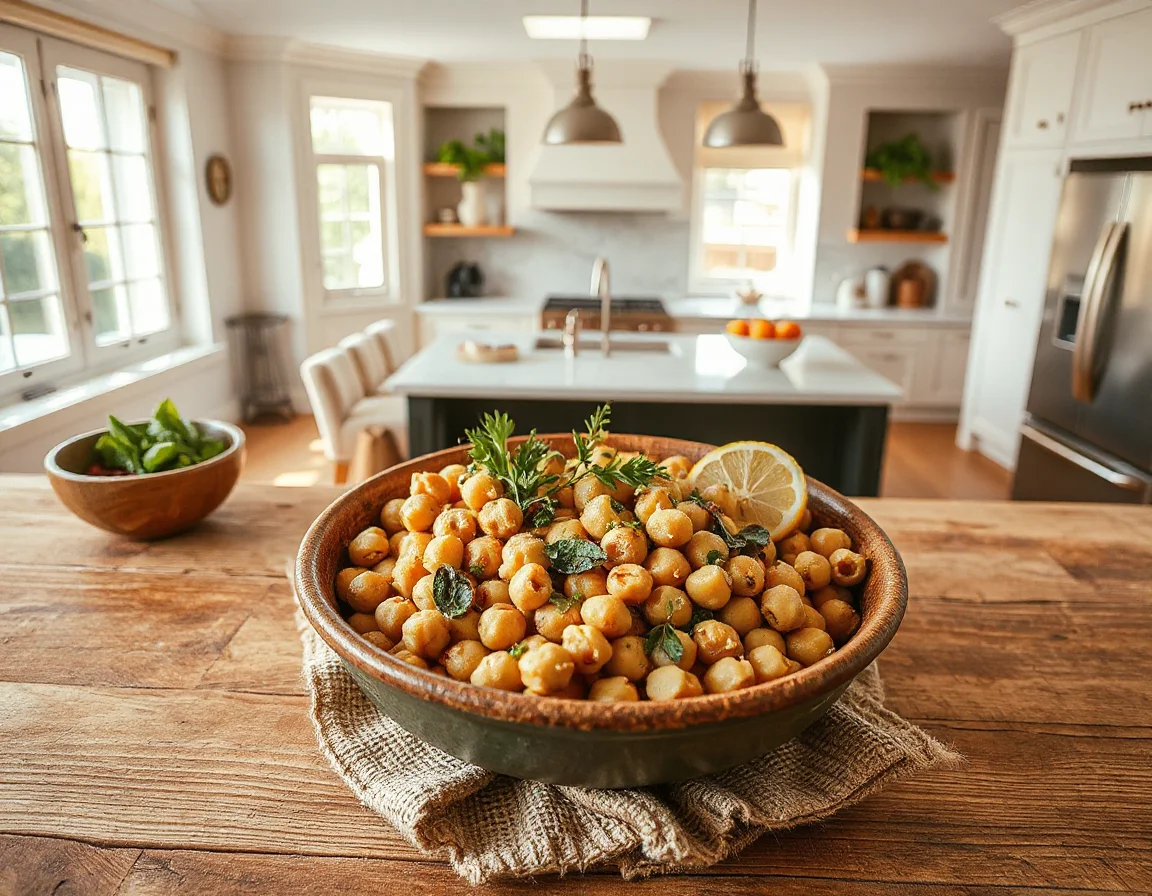
Because chickpeas are both filling and versatile, they can help make heart-conscious eating feel more realistic day to day. They work in quick lunches, family dinners, and make-ahead meal prep without requiring expensive specialty ingredients.
What the Research Says About Cholesterol and Heart Health
The strongest case for chickpeas comes from their effect on blood lipids. In a recent 12-week randomized trial involving adults with prediabetes, participants who ate chickpeas daily saw total cholesterol fall from an average of 200.4 mg/dL to 185.8 mg/dL. In that study, chickpeas outperformed both a black bean group and a rice control group on this specific marker.
Earlier controlled-feeding research points in the same direction. In one randomized crossover trial, adults who added chickpeas to their diet for at least five weeks experienced a 3.9% drop in total cholesterol and a 4.6% drop in LDL cholesterol compared with a wheat-supplemented diet. Another study found that adults eating about 728 grams of chickpeas per week for 12 weeks increased their fiber intake and improved both serum lipids and glycemic control, even without being told to restrict other foods.
The most encouraging takeaway is consistency. Across multiple studies, regular intake matters more than perfection, and even modest daily servings appear to support measurable improvements in cholesterol markers.
Chickpeas are part of the broader pulse family, which also includes lentils, dried peas, and beans. That matters because the cholesterol-lowering effect is not limited to one isolated study. A major meta-analysis of 26 randomized controlled trials involving more than 1,000 participants found that eating about one serving of pulses per day significantly lowered LDL cholesterol, with an effect associated with roughly a 5% reduction in cardiovascular disease risk. Another meta-analysis focused on non-soy legumes found pooled reductions in both total and LDL cholesterol compared with control diets.
Why Chickpeas Help
There is no mystery here. Chickpeas appear to work through several well-understood mechanisms that support cardiovascular and metabolic health.
- Soluble fiber helps bind cholesterol. Chickpeas contain soluble fiber that forms a gel-like substance in the digestive tract, helping bind cholesterol and bile acids so they can be removed from the body rather than reabsorbed.
- They provide healthier fat balance. The small amount of fat in chickpeas is mostly unsaturated, including monounsaturated and polyunsaturated fats.
- They contain beneficial plant compounds. Emerging research on chickpea peptides and antioxidants suggests additional support for healthy lipid metabolism and oxidative balance.
- They feed the gut microbiome. Resistant starch and fermentable fibers in chickpeas may nourish beneficial gut bacteria, which are increasingly linked to metabolic and cardiovascular wellness.
- They can displace less nutritious foods. When chickpeas replace more heavily processed or higher-saturated-fat options, the overall quality of the diet often improves.
With 12.5 grams of fiber per cooked cup, chickpeas also help close one of the most common nutrition gaps in modern eating patterns. Many adults simply do not get enough fiber, and chickpeas offer a practical, familiar way to increase intake.
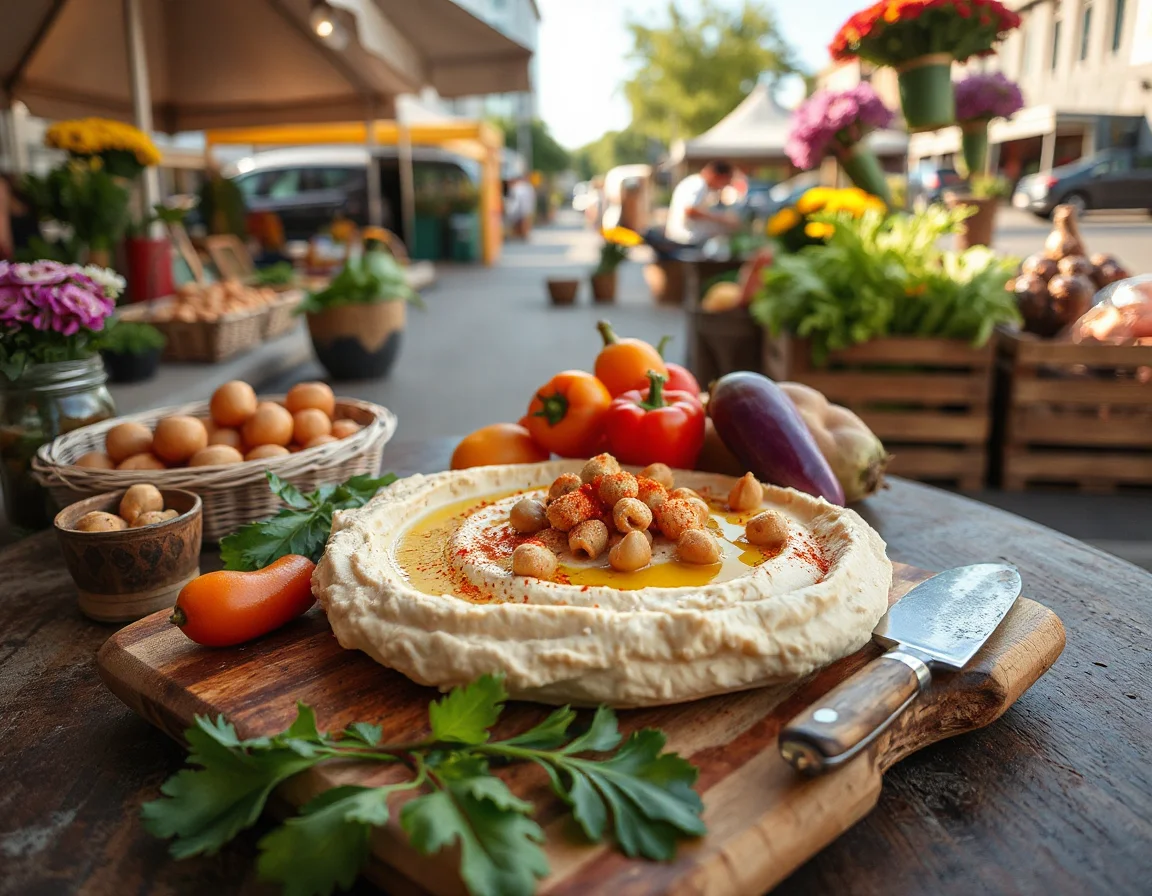
Beyond Cholesterol: Broader Metabolic Benefits
Cholesterol support is only part of the story. Chickpeas also have a relatively low glycemic impact, thanks in part to their fiber and resistant starch. That means they may help reduce sharp blood sugar swings after meals, which can be especially helpful for people trying to support steadier energy or manage prediabetes as part of a broader care plan.
Their combination of protein and fiber also promotes satiety. Meals built around chickpeas tend to feel more filling, which may support healthy weight management over time. Since body weight, blood sugar regulation, and cardiovascular risk are closely connected, that broader effect can be meaningful.
A food does not need to be trendy to be effective. Chickpeas stand out because they are inexpensive, easy to store, and simple to use often enough for their benefits to add up.
They also fit naturally into well-established eating patterns such as the Mediterranean and DASH diets. Because they are naturally low in sodium unless heavily processed, they can be adapted easily to home cooking that prioritizes heart health.
Simple Ways to Add Chickpeas to Your Routine
The research is promising, but the real value comes from repeatable habits. Many studies point to roughly one cooked cup per day, or about half a cup twice daily, as a useful target. That does not mean every meal needs to revolve around chickpeas. It simply means finding easy ways to use them regularly.
- Blend them into homemade hummus for snacks, wraps, or sandwiches.
- Toss them into salads and grain bowls for extra protein and fiber.
- Add them to soups and stews, where they hold their texture well.
- Roast them with olive oil and spices for a crunchy snack.
- Use them in curries in place of some or all of the meat.
- Try chickpea flour in flatbreads or gluten-free baking.
Canned chickpeas are convenient and work well for quick meals, while dried chickpeas can be more economical and offer a firmer texture in longer-cooked dishes. Either option can fit into a healthy routine.
Recipe Spotlight: Instant Pot Chickpea and Pancetta Stew
One of the most satisfying ways to enjoy chickpeas is in a rustic stew. This Italian-inspired version pairs them with tomato, eggplant, rosemary, and a small amount of pancetta for richness. The chickpeas bring body and fiber, while the tomato base adds bright acidity and depth.
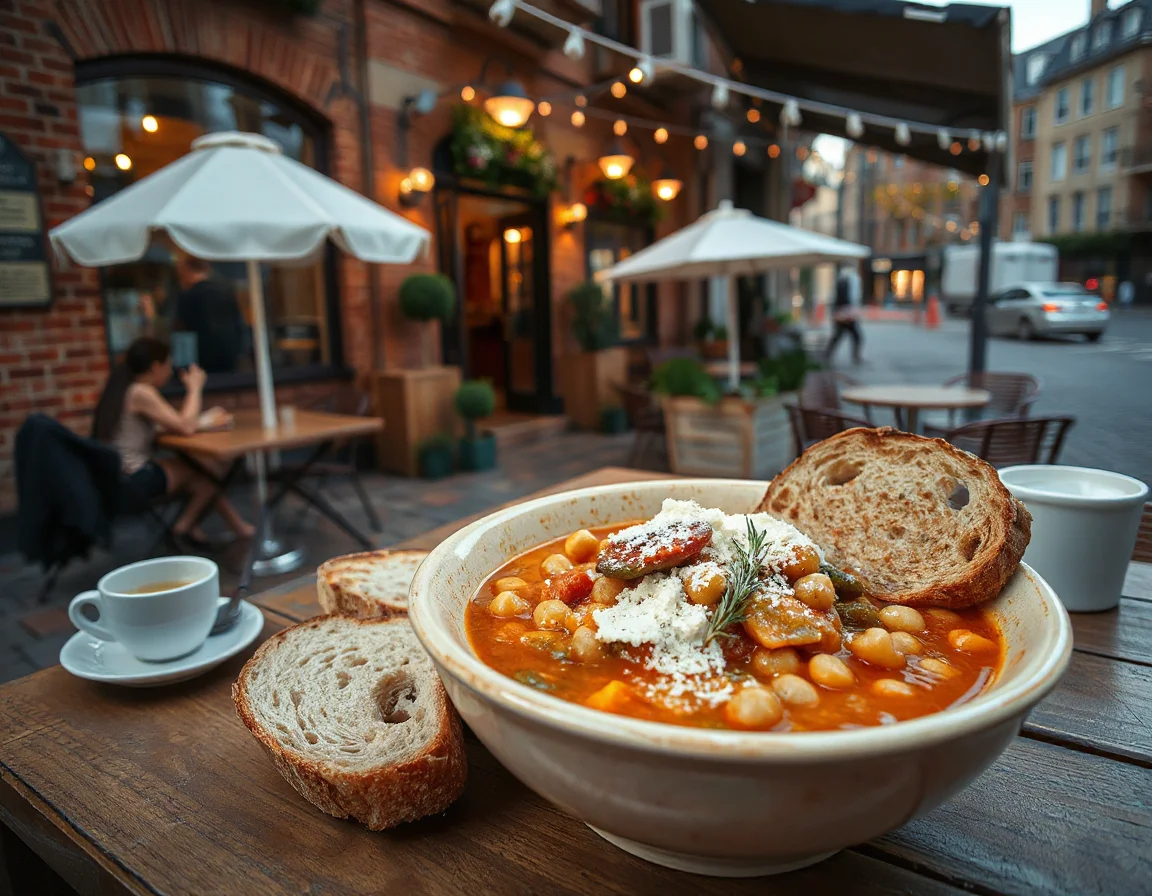
Ingredients (serves 4-6):
- 1 lb dried chickpeas, soaked overnight and drained, or 3 cans chickpeas, drained and rinsed
- 4 oz pancetta or guanciale, diced
- 1 medium eggplant, cut into 1-inch cubes
- 1 medium yellow onion, diced
- 3 cloves garlic, minced
- 1 can diced or crushed tomatoes
- 3-4 cups chicken or vegetable broth
- 2 tablespoons olive oil
- 1 sprig fresh rosemary or 1 teaspoon dried
- 1 bay leaf
- 1/2 teaspoon red pepper flakes, optional
- Salt and freshly ground black pepper, to taste
- Freshly grated Parmesan cheese, for serving
- Crusty bread, optional
Method:
- Set the Instant Pot to sauté and heat the olive oil. Add the pancetta and cook for 3 to 4 minutes until lightly golden.
- Add the onion and cook for 4 to 5 minutes until softened. Stir in the garlic and cook for about 30 seconds.
- Add the eggplant and cook for 3 to 4 minutes, stirring occasionally, until it begins to soften.
- Pour in the tomatoes and scrape up any browned bits from the bottom of the pot.
- Add the chickpeas, broth, rosemary, bay leaf, and red pepper flakes. Stir well.
- Seal the lid and cook on high pressure for 35 to 40 minutes if using soaked dried chickpeas, or 5 to 8 minutes if using canned chickpeas.
- Let the pressure release naturally for 15 to 20 minutes, then release any remaining pressure.
- Remove the bay leaf and rosemary sprig. Season with salt and pepper. If needed, simmer uncovered for a few minutes or mash a few chickpeas to thicken the stew.
- Ladle into bowls, top with Parmesan, and serve with crusty bread if desired.
This stew often tastes even better the next day, making it a strong make-ahead option for lunch or dinner.
The Bottom Line
Chickpeas are an inexpensive, versatile legume with meaningful, research-backed benefits for heart-conscious eating. Their soluble fiber, plant protein, healthy fat profile, and beneficial plant compounds make them a practical choice for supporting cholesterol management, blood sugar balance, digestion, and fullness.
Sources: Harvard Health Publishing, Harvard T.H. Chan School of Public Health, Mayo Clinic Health System, Medical News Today, Science Focus, University of Toronto, PubMed: Ann Nutr Metab 2006, PubMed: J Am Diet Assoc 2008, PMC: Meta-analysis of non-soy legumes, PMC: Effect of dietary pulse intake on lipid targets, PMC: Nutritional value of chickpeas and hummus, PMC: Bioactive compounds in chickpeas, Business Insider, Health.com, Healthline.
They are not a stand-alone solution, and they should not replace individualized medical advice. But as part of an overall balanced diet, chickpeas are one of the simplest foods to use consistently and confidently. Sometimes the most effective nutrition habits begin with the most ordinary ingredients.