
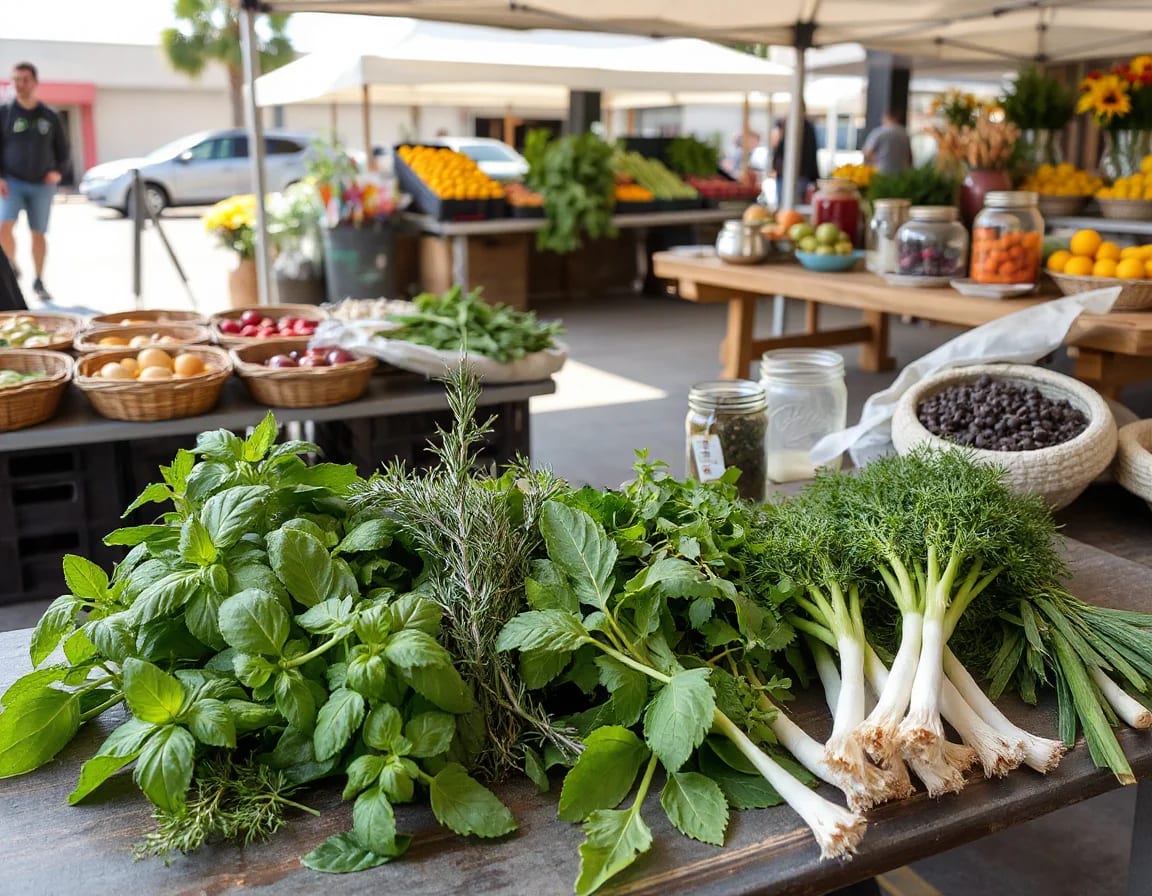
Florida herb gardens can thrive year-round when you match each plant to the state’s heat, humidity, rain, and seasonal swings. With the right mix of sun, drainage, watering habits, and storm recovery, herbs like culantro, basil, rosemary, mint, onion, and fennel can stay productive and beautiful in patios, raised beds, and backyard gardens across Florida.
For many Florida homeowners, an herb garden is one of the easiest ways to add beauty, fragrance, and everyday usefulness to an outdoor space. The challenge is that Florida gardening is rarely simple. Summer heat can be intense, humidity lingers, rain can arrive in bursts, and even the “cool season” varies depending on where you live. The good news is that a resilient herb garden is absolutely possible when you choose the right plants and set them up for local conditions.
Whether you are refreshing a backyard before listing your home, settling into a new property, or simply making better use of a sunny patio, herbs can create a low-cost, high-impact garden that feels both practical and inviting. The key is to think less about a traditional northern herb bed and more about a flexible Florida-style planting plan that can handle heat, moisture, and seasonal rotation.
Start with Florida’s Real Growing Conditions
Before choosing herbs, it helps to understand what makes Florida different. In much of the state, gardeners deal with long warm seasons, strong sun, sandy or fast-draining soil in some areas, heavier wet soil in others, and frequent summer downpours. Coastal exposure can add salt and wind, while inland gardens may experience more intense afternoon heat.
The most successful herb gardens in Florida usually share a few traits:
- Morning sun with some afternoon protection for tender herbs
- Excellent drainage so roots do not sit in soggy soil
- Airflow to reduce mildew and fungal stress
- Flexible watering based on rainfall, not a rigid schedule
- Seasonal replanting for herbs that perform better in cooler months
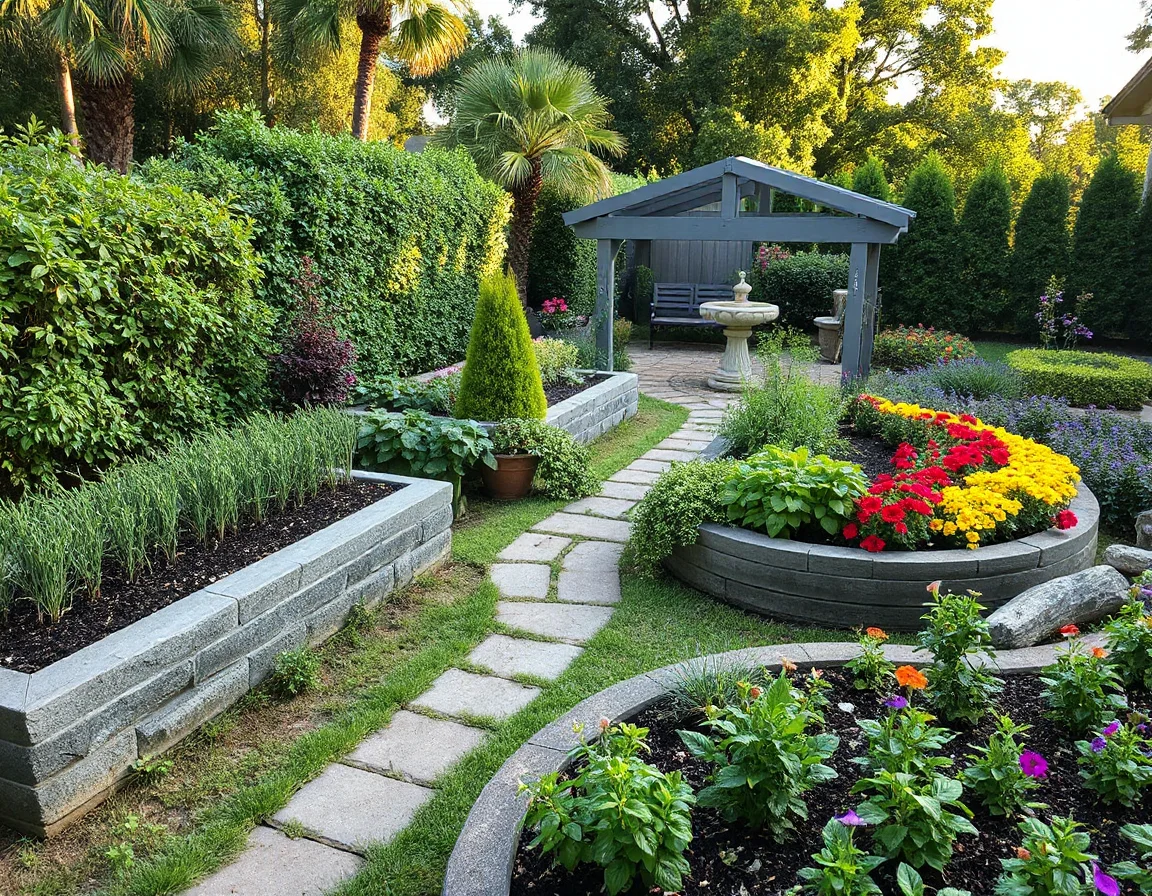
If you are starting from scratch, raised beds and containers often make Florida herb gardening easier. They let you control soil quality, improve drainage, and move sensitive plants when weather shifts quickly.
Culantro is one of the most useful herbs for Florida gardeners who want something that can handle warmth better than traditional cilantro. Its long, serrated leaves bring a bold flavor often used in Caribbean and Latin cooking, and it tends to appreciate partial shade in the hottest months. In Florida, culantro often performs best where it gets bright morning light and relief from harsh afternoon sun.
Basil is another standout, especially in warm weather. Sweet basil, Thai basil, and other varieties can grow vigorously in Florida, but they need regular harvesting and good airflow. Basil dislikes staying wet for too long, so spacing matters. If leaves are crowded and summer rains are frequent, fungal issues can appear quickly.
In Florida, the best herb garden is rarely the one with the most sun all day long. A spot with strong morning light and a little afternoon relief often produces healthier, longer-lasting herbs.
How Rosemary, Mint, Onion, and Fennel Fit In
Rosemary is a favorite for structure and fragrance, but it needs sharp drainage more than almost any other common culinary herb. In Florida, rosemary often struggles not from heat, but from wet feet. Plant it in a raised bed, mound, or large container with a loose soil mix so water moves through quickly. Give it full to mostly full sun, and avoid overwatering once established.
Mint is almost the opposite. It grows enthusiastically in Florida and can quickly take over a bed if planted in the ground. For that reason, containers are usually the smartest choice. Mint appreciates moisture, but not swampy conditions, and many gardeners find it performs best with morning sun and filtered afternoon light during the hottest stretch of summer.
Onion can be a useful addition, especially bunching onions or green onions, which are practical for kitchen gardens and easier for many homeowners to manage than large bulb onions. In Florida, onions often do best during the cooler season, when temperatures are milder and growth is steadier. They can be tucked into raised beds, mixed with herbs, or grown in rows in a sunny area with consistent moisture.
Fennel adds height, texture, and a feathery look that can make an herb garden feel more designed. It generally prefers the cooler side of Florida’s growing calendar and may struggle in peak summer heat. Good drainage and full sun are important, but timing matters just as much. Many gardeners treat fennel as a seasonal herb rather than a year-round staple.
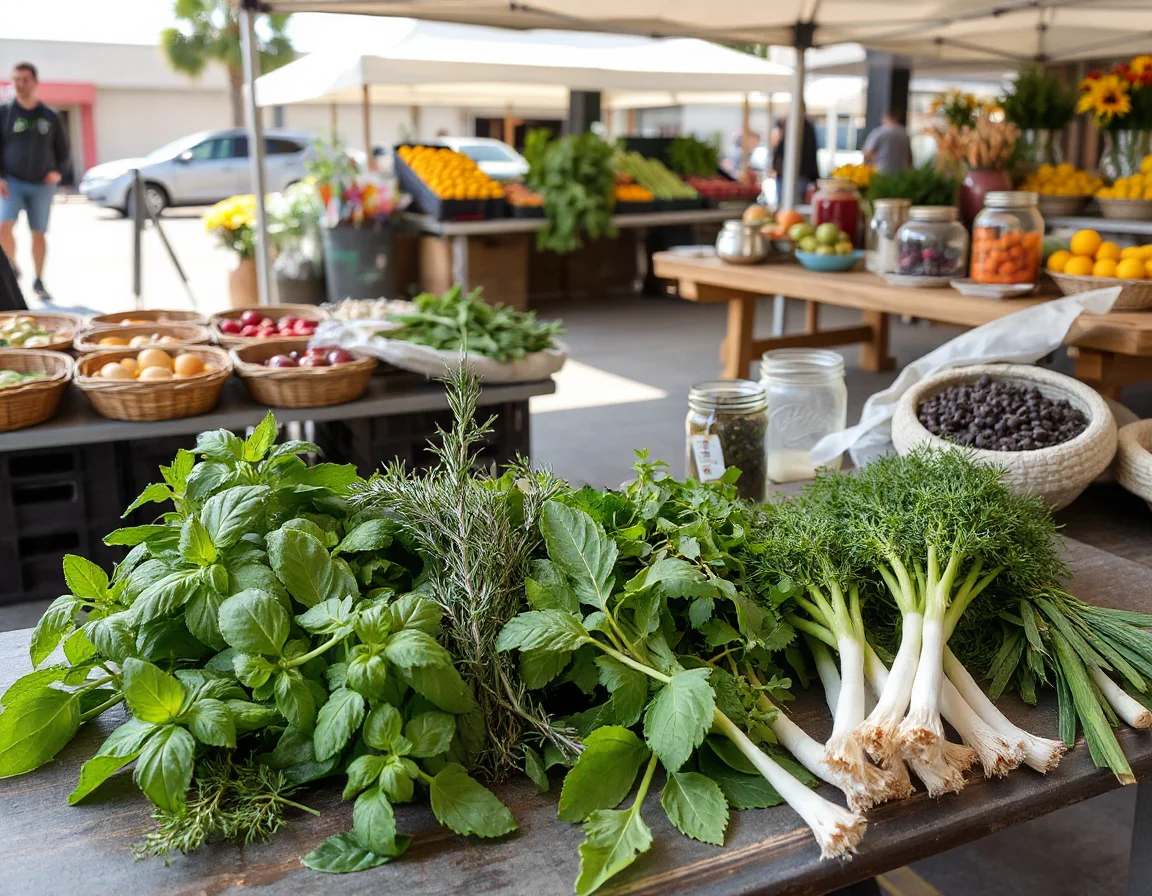
Other herbs that often complement a Florida garden include oregano, thyme, lemongrass, chives, parsley, and dill during the right season. Lemongrass is especially well suited to Florida warmth and can add dramatic shape to a landscape bed. Parsley and dill are often better choices for the cooler months, while oregano and some thymes may need extra drainage and careful siting to avoid stress in wet weather.
Sun, Water, and Drainage: The Three Big Decisions
If there is one mistake Florida gardeners make most often, it is treating every herb the same. A resilient garden comes from grouping herbs by what they need. Rosemary, thyme, and oregano prefer drier conditions and stronger sun. Mint and culantro appreciate more moisture and some protection. Basil likes warmth but still benefits from airflow and balanced watering.
For sun exposure, aim for these general guidelines:
- Full sun to mostly full sun: rosemary, thyme, oregano, fennel
- Morning sun and afternoon shade: culantro, mint, some basil in peak summer
- Cool-season full sun: onion, parsley, dill, fennel
Drainage matters just as much as sunlight. If your yard holds water after rain, do not plant directly into that area without improving the site. Raised beds, containers, and amended planting zones can prevent root rot and help herbs recover faster after storms. A loose mix with compost and coarse material often works better than dense, moisture-holding soil.
Watering should follow the weather, not the calendar. During dry stretches, containers may need water daily, especially in hot months. In-ground herbs may need less frequent but deeper watering. After heavy rain, skip irrigation until the soil begins to dry. Overwatering is one of the fastest ways to weaken rosemary and other Mediterranean herbs in Florida.
Containers are often the easiest way to garden successfully in Florida because they give you control. You can move herbs out of pounding rain, adjust sun exposure, and keep aggressive growers like mint from spreading too far.
Container Gardens vs. In-Ground Beds
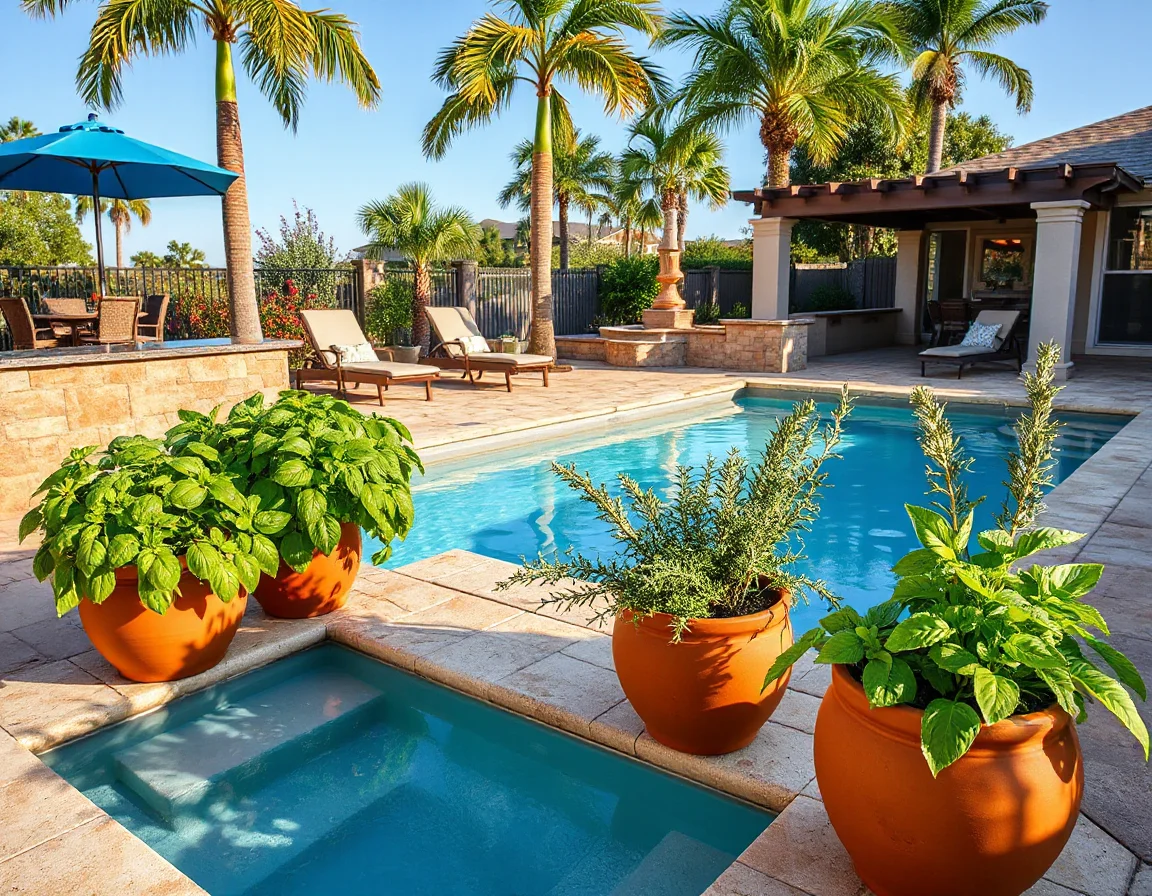
Both approaches can work well, and many Florida homeowners use a mix of the two. Containers are ideal for patios, lanais, pool areas, and smaller yards. They also make it easier to create a tidy, attractive garden that adds charm to outdoor living spaces. Grouping pots of basil, mint, rosemary, and chives near the kitchen or grill can make a home feel more functional and welcoming.
In-ground beds or raised beds are better when you want larger harvests or a more integrated landscape look. They can also be a smart way to soften a backyard and create visual appeal for homeowners preparing a property for sale. A well-kept herb bed suggests that an outdoor space is usable, cared for, and connected to everyday living.
For containers, choose pots with generous drainage holes and avoid saucers that keep roots sitting in water after storms. For in-ground planting, build up the soil slightly and leave enough spacing between herbs for airflow. Florida humidity rewards gardeners who avoid crowding.
Storm Recovery and Heat Tolerance
Florida gardens need to be ready for weather extremes. Heavy rain, tropical systems, and long heat waves can all affect herbs differently. After a storm, the first step is not to fertilize immediately. Instead, check drainage, remove broken stems, and let the soil settle. Trim damaged growth from basil, mint, and culantro once plants begin to recover. For rosemary, focus on whether the root zone is drying properly.
Mulch can help moderate soil temperature and reduce splash during rain, but keep it light and pulled back from stems so moisture does not stay trapped against the plant. In extreme heat, temporary shade cloth can help tender herbs through the harshest afternoons. Even a movable patio umbrella can make a difference for container gardens.
Harvesting also helps with resilience. Basil becomes bushier when pinched regularly. Mint stays fresher when cut back often. Culantro can be harvested leaf by leaf. Letting herbs become overgrown in Florida’s heat usually leads to faster decline, more pests, and less flavor.
Seasonal Rotation for a Year-Round Florida Herb Garden
One of the smartest ways to garden in Florida is to rotate herbs by season instead of expecting every plant to thrive all year. Warm-season stars often include basil, culantro, mint, lemongrass, and some oregano. Cooler-season favorites can include fennel, onion, parsley, dill, and cilantro if you want to try it during milder months.
This seasonal mindset makes the garden more productive and less frustrating. It also keeps outdoor spaces looking fresh. If one herb fades in the heat, another can take its place. Homeowners who treat the garden as an evolving part of the landscape usually get better results than those who expect a single planting plan to last unchanged.
For Florida homeowners, an herb garden can be more than a source of fresh ingredients. It can add curb appeal, improve backyard enjoyment, and make a property feel more rooted in the local lifestyle. With thoughtful plant choices, good drainage, and a flexible approach to the seasons, herbs like culantro, rosemary, basil, onion, mint, fennel, and their companions can thrive in all kinds of Florida weather.