
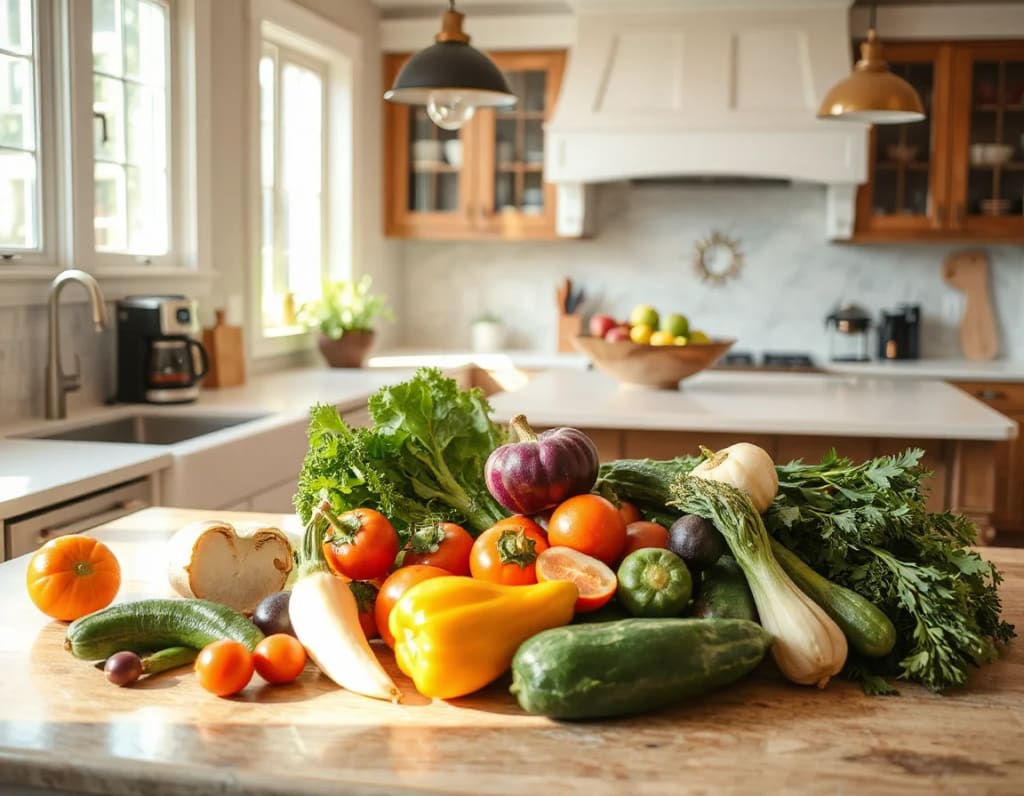
Best Vegetables to Grow in Florida (Zones 9–10 Summer Guide)
Florida gardeners know summer is not the season to force cool-weather crops. It is the time to work with heat, humidity, intense sun, and fast-growing warm-season vegetables that actually thrive in Zones 9 and 10. When you choose the right crops and adjust your timing, watering, and shade strategy, a Florida summer garden can stay productive even through the hottest stretch of the year.
This guide covers the best vegetables to grow in Florida during summer, along with practical tips for planting windows, afternoon protection, mulch, and succession sowing. If you want a garden that keeps producing instead of burning out by July, start with crops built for Florida conditions.
Why Florida Summer Gardening Is Different
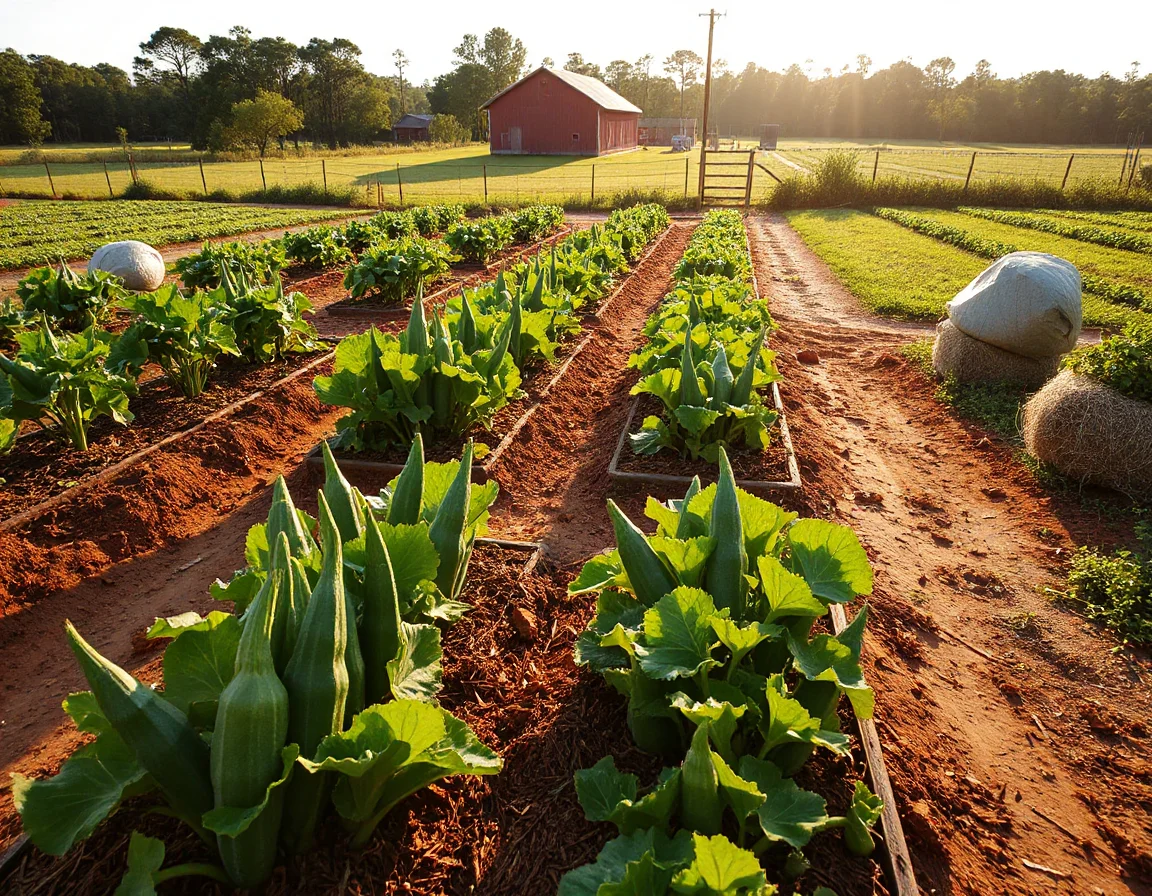
In much of the country, summer is peak season for tomatoes, lettuce, and other familiar garden staples. In Florida, especially in Zones 9 and 10, summer often brings the opposite result. High nighttime temperatures, heavy humidity, pounding rain, and relentless sun can stress many common vegetables beyond recovery.
That does not mean you should stop planting. It means you should switch crops and techniques. Florida summer gardening rewards heat-tolerant, vigorous plants that can handle warm soil, long days, and occasional weather swings. The goal is not to recreate a spring garden in July. The goal is to grow what naturally performs well now.
Best Vegetables to Grow in Florida in Summer
Okra is one of the most reliable summer vegetables in Florida. It loves heat, grows quickly, and keeps producing when many other crops struggle. Harvest pods young and often to encourage continued production.
Southern peas, including black-eyed peas and cowpeas, are another excellent choice. They tolerate heat well, improve soil as legumes, and provide a dependable crop during the hottest months.
Sweet potatoes are especially well suited to Florida summers. Once established, the vines spread aggressively, help shade the soil, and produce a useful edible crop below ground. They are a smart option for gardeners who want a lower-maintenance warm-season planting.
Malabar spinach is not true spinach, but it is a valuable summer green because it handles heat far better than traditional leafy greens. In the same way, roselle, yardlong beans, and some hot peppers can also perform well when given enough moisture and room to grow.
Summer squash and cucumbers can still be grown, but they often require more attention because pests, mildew, and weather stress increase in the hottest part of the season. Many gardeners have better results with short, well-timed plantings rather than expecting a long uninterrupted harvest.
Timing Matters More Than Many Gardeners Expect
One of the biggest keys to success is planting at the right time for your part of Florida. In Zones 9 and 10, summer crops should often be started before the most punishing heat fully settles in, then maintained through the season with steady care. Waiting too long can mean seedlings face extreme stress before they have a chance to establish.
Fast growers like southern peas and okra can be direct sown in warm soil, while sweet potatoes are usually planted from slips. Succession planting also helps. Instead of sowing everything at once, plant smaller rounds every couple of weeks where space allows. This spreads out harvests and gives you backup if one planting is hit by pests, flooding, or a severe heat wave.
After a heavy harvest or a failed patch, replant quickly with another heat-tolerant crop. Florida’s long growing season gives gardeners more opportunities than they sometimes realize, but only if they keep beds active and adapt as conditions change.
Use Shade Strategically
Even heat-loving vegetables can benefit from relief during the harshest part of the day. In Florida summer gardens, afternoon shade can make the difference between steady growth and constant stress. This does not mean deep shade. It means filtered light or temporary protection during peak sun hours.
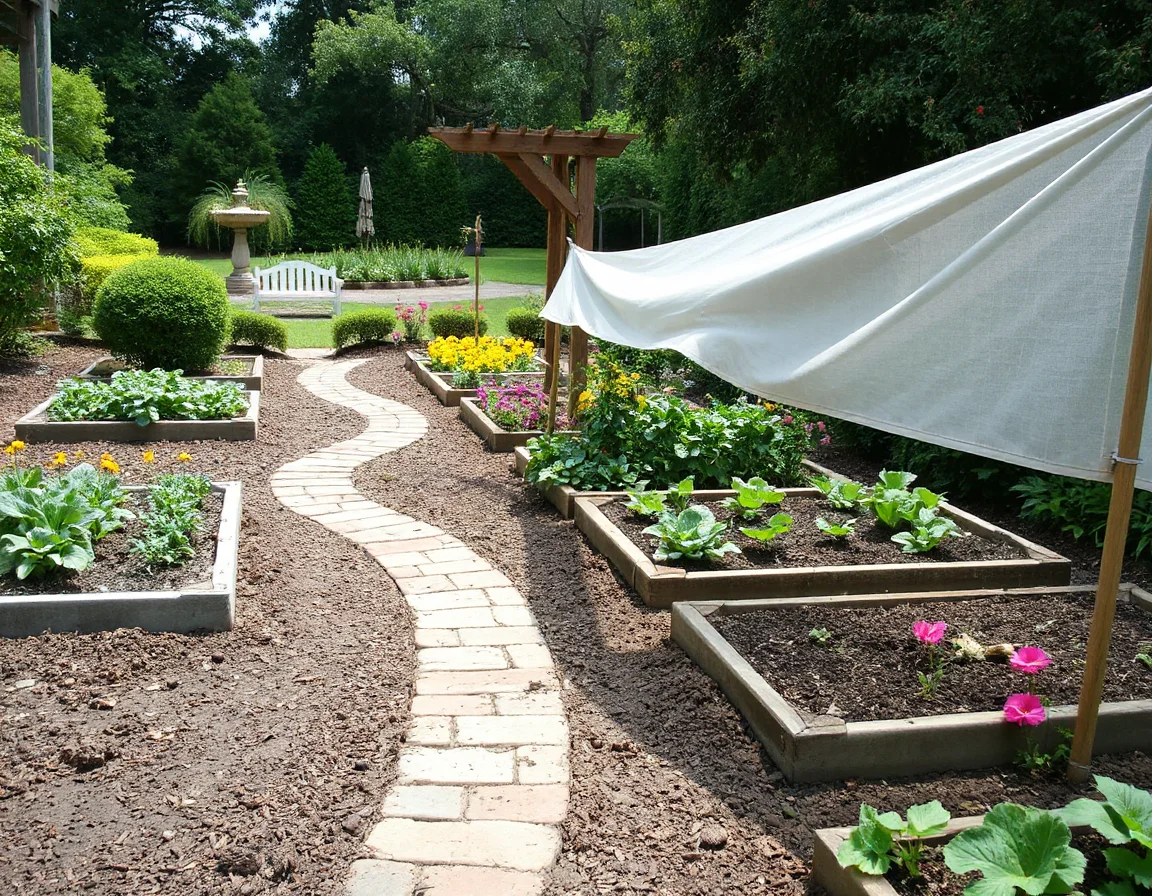
Shade cloth is one of the most useful tools for summer gardening. It can reduce leaf scorch, lower soil temperatures, and help young plants establish more evenly. This is especially helpful for transplants, tender greens grown experimentally, or crops that are productive but vulnerable during extreme heat spikes.
Gardeners can also use taller crops to create microclimates. Trellised beans, corn in suitable areas, or even strategically placed structures can shield more sensitive plants. The principle is simple: protect plants from the worst stress without depriving them of the light they still need to grow.
Water Deeply and Protect the Soil
Florida summer rain can be misleading. A quick storm does not always provide the deep, consistent moisture vegetables need. Sandy soils drain fast in many parts of the state, and intense heat can dry beds quickly between storms. Rather than watering lightly every day, it is usually better to water deeply and thoroughly so roots grow downward and plants become more resilient.
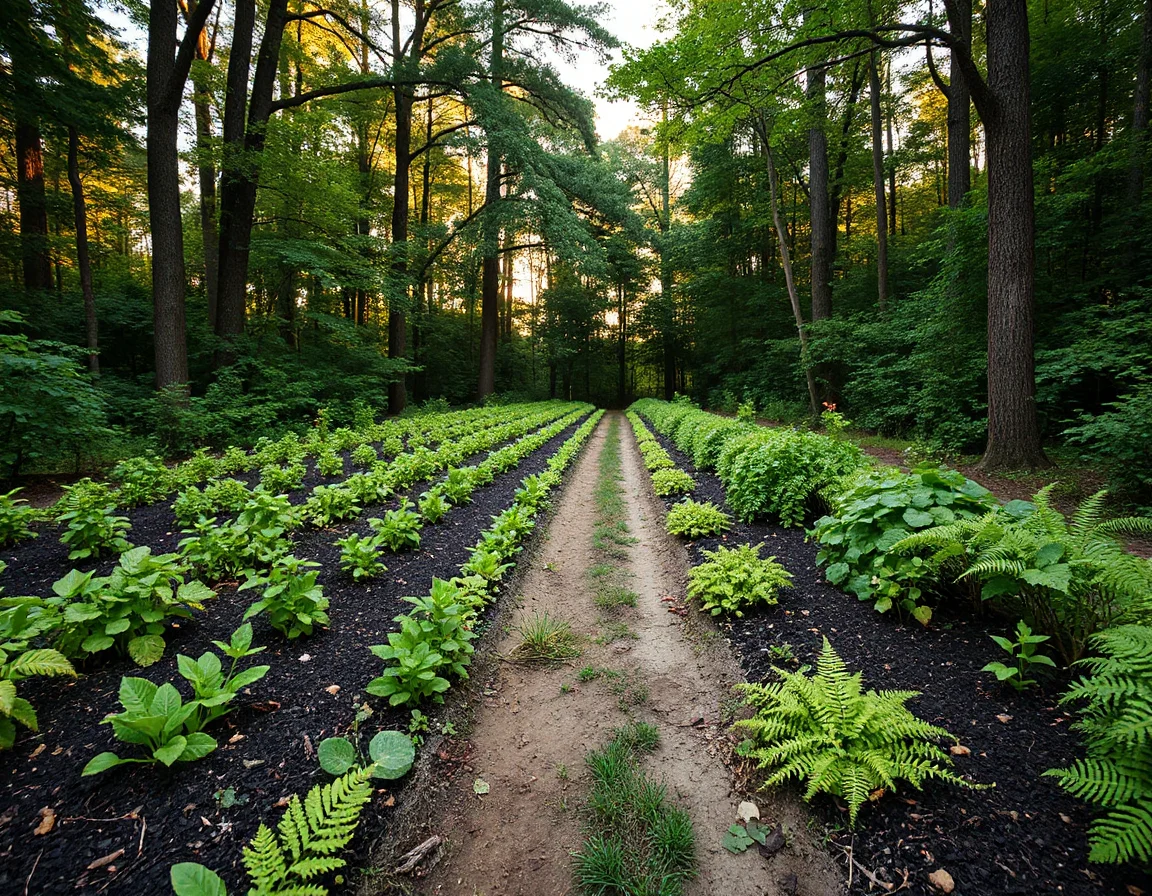
Mulch is equally important. A generous layer of straw, leaves, pine needles, or other suitable organic mulch helps regulate soil temperature, reduce evaporation, suppress weeds, and soften the impact of heavy rain. In a Florida summer garden, mulch is not just a finishing touch. It is part of the system that keeps crops alive and productive.
Watch for signs of uneven moisture, including blossom drop, stunted growth, or bitter fruit. Consistency matters. Plants that swing between drought stress and oversaturation are more likely to struggle, even if they are technically heat tolerant.
Keep the Garden Productive with Succession Planting
Succession planting is one of the smartest ways to garden through a long Florida summer. Instead of treating the season as one single planting window, think of it as a series of opportunities. As one crop matures, another can be started. As one bed slows down, another can be refreshed.
This approach is especially useful for southern peas, beans, and quick warm-season crops. It also helps manage risk. If insects, disease, or weather damage one round, you are not starting from zero. You already have the next planting underway.
Small, repeated sowings are often more manageable than one oversized planting. They spread out labor, reduce waste, and keep harvests coming over a longer period. For home gardeners, that usually means better use of space and a steadier supply from the garden.
Final Thoughts
The best vegetables to grow in Florida during summer are the ones that welcome heat instead of merely tolerating it. Okra, southern peas, sweet potatoes, and other warm-season performers can turn a difficult season into a productive one when paired with smart timing, afternoon shade, deep watering, mulch, and succession planting.
Florida gardening success comes from adjusting expectations to the climate rather than fighting it. Choose crops that fit the season, protect your soil, and keep planting in waves. With the right strategy, a summer garden in Zones 9 and 10 can stay healthy, resilient, and rewarding.